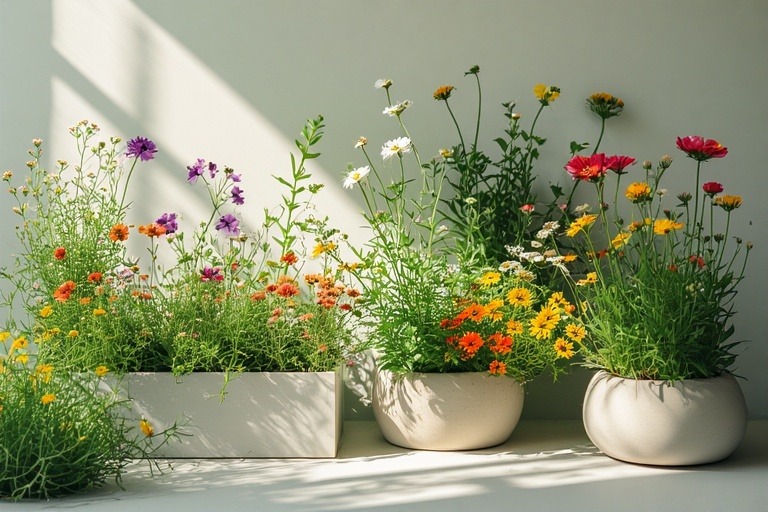
In 2025, the gardening world is embracing sustainable, low-maintenance, and eco-friendly solutions, and drought-tolerant wildflowers have become a leading trend. These resilient plants not only survive with minimal water but also provide vibrant colors and habitats for pollinators, making them an essential choice for modern gardeners. In this blog, we’ll explore their benefits, compare popular varieties, and explain why they are trending in contemporary landscaping.
🌱 What Are Drought-Tolerant Wildflowers?
Drought-tolerant wildflowers are plants adapted to thrive in dry conditions, requiring minimal irrigation once established. Unlike traditional garden flowers, they can withstand extended periods of low rainfall, making them ideal for regions affected by water scarcity or for gardeners looking to reduce water usage.
Popular examples include California poppies, blanket flowers, and coneflowers, each offering unique colors, textures, and bloom times. These flowers are often native to their regions, which enhances their adaptability and ecological benefits.
🌼 Key Benefits
💧 Water Conservation
One of the primary reasons these wildflowers are trending is their minimal water requirements. By incorporating drought-tolerant plants into your garden, you can significantly reduce water consumption, aligning with 2025 sustainability goals.
🐝 Supporting Pollinators
Many wildflowers attract bees, butterflies, and other pollinators. Choosing native drought-tolerant varieties helps boost local biodiversity, supporting ecosystems and contributing to a healthier environment.
🌟 Low Maintenance
Unlike high-maintenance garden beds, drought-tolerant wildflowers require less fertilizer, mowing, and upkeep, saving time and resources while still delivering stunning seasonal blooms.
🌸 Extended Bloom Seasons
These wildflowers often bloom over extended periods, offering continuous color and interest throughout the growing season.
🔧 Popular Varieties to Consider
1. California Poppy
Bright orange blooms that thrive in poor soil and full sun. California poppies are resilient, self-seeding, and excellent for creating naturalized gardens.
2. Blanket Flower (Gaillardia)
Vibrant red and yellow petals with long bloom periods. Blanket flowers are drought-resistant and attract pollinators.
3. Purple Coneflower (Echinacea)
A hardy perennial with medicinal benefits. Coneflowers tolerate heat and low water while providing a striking purple hue.
4. Black-Eyed Susan (Rudbeckia)
Golden-yellow flowers that tolerate poor soil and full sun. Ideal for borders and meadows.
5. Yarrow (Achillea)
Clusters of small flowers in various colors, extremely drought-tolerant, and easy to propagate.
🌍 Why They’re Trending in 2025
Several factors contribute to the growing popularity of drought-tolerant wildflowers:
- Climate Awareness: Gardeners are increasingly conscious of water scarcity and the environmental impact of traditional landscaping.
- Sustainable Landscaping: These wildflowers support eco-friendly practices and reduce maintenance costs.
- Pollinator-Friendly Gardens: With declining pollinator populations, homeowners and communities are prioritizing plantings that benefit bees and butterflies.
- Aesthetic Flexibility: Drought-tolerant wildflowers can be used in formal gardens, naturalized meadows, rooftop planters, and container gardens.
- Trend in Native Gardening: Native plants, particularly drought-tolerant varieties, are seeing a resurgence due to their ecological benefits and adaptability.
🔄 Comparison with Traditional Garden Flowers
| Feature | Drought-Tolerant Wildflowers | Traditional Garden Flowers |
|---|---|---|
| Water Needs | Minimal | Often high |
| Maintenance | Low | Moderate to high |
| Pollinator Support | High | Varies |
| Longevity | Perennial or self-seeding | Annuals or perennials |
| Environmental Impact | Eco-friendly | Higher water/fertilizer use |
Compared to traditional flowers, drought-tolerant wildflowers offer long-term sustainability, cost savings, and ecological benefits, making them a smarter choice for modern landscaping.
🛠️ Tips for Planting and Care
- Soil Preparation: Ensure well-draining soil. Wildflowers often thrive in less fertile soil.
- Sunlight: Most drought-tolerant species require full sun to flourish.
- Mulching: Apply a thin layer of mulch to retain minimal soil moisture and prevent weeds.
- Watering: Water sparingly until established; overwatering can reduce drought tolerance.
- Native Focus: Choose species native to your region for best results.
🏁 Final Thoughts
Drought-tolerant wildflowers are more than just a gardening trend; they are a sustainable solution for climate-conscious landscaping in 2025. With minimal water requirements, extended blooms, and support for local pollinators, these plants offer beauty, practicality, and ecological benefits.
Whether you’re designing a backyard meadow, a city balcony garden, or a community green space, drought-tolerant wildflowers provide a low-maintenance, vibrant, and environmentally friendly option. Embrace this trend and transform your outdoor spaces into sustainable, colorful havens.