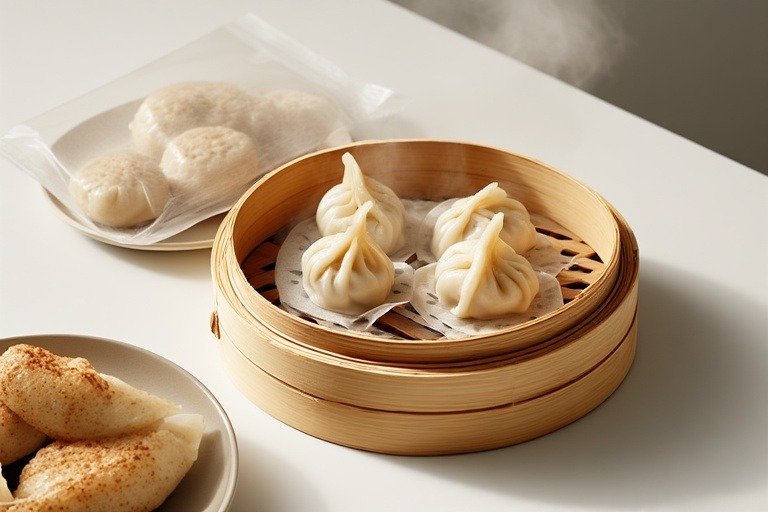
Dumplings are no longer just a restaurant treat—they’ve become a global freezer staple. Whether steamed, fried, or boiled, dumplings are loved for their flavor, convenience, and cultural variety. With the rise of frozen and ready-to-eat dumplings, enjoying this comfort food at home has never been easier. But how do they really compare to fresh, handmade versions, and which options dominate the market in 2025? Let’s dig in.
👀 First Impressions – Packaging & Accessibility
Frozen dumplings today come in sleek, modern packaging with clear cooking instructions, resealable bags, and even sauce packets. Brands like Bibigo, Trader Joe’s, and Ajinomoto have elevated frozen dumplings from “cheap snacks” to premium convenience food.
Ready-to-eat versions, often found in microwave-safe trays or vacuum packs, are even more accessible. These cater to busy lifestyles where people want a quick bite without waiting for water to boil or pans to heat.
🍲 Frozen Dumplings vs. Ready-to-Eat
Both options bring convenience, but they differ in experience:
- Frozen Dumplings: Offer flexibility—you can pan-fry, steam, or boil them. They taste closer to homemade, especially when you crisp them up in a pan. However, they take slightly longer to cook (8–12 minutes).
- Ready-to-Eat Dumplings: Focus on speed and portability. Heat them in the microwave for 2–3 minutes, and you’re done. They’re perfect for office lunches or late-night cravings but often lose a bit of the “fresh texture” compared to frozen ones.
In short: Frozen wins for flavor & customization, while Ready-to-Eat wins for speed.
🌟 Flavor Profiles & Varieties
The variety of dumplings available in 2025 is nothing short of impressive. From classic pork and chive gyoza to vegan mushroom bao, frozen aisles are packed with global flavors.
- Asian Staples: Pork, chicken, and shrimp dumplings dominate, with soy-ginger dipping sauces included in some packs.
- Fusion Dumplings: Newer trends include dumplings stuffed with cheese, truffle, or even kimchi, appealing to adventurous eaters.
- Vegan & Gluten-Free Options: Plant-based fillings like tofu-spinach or jackfruit are becoming mainstream, catering to health-conscious consumers.
Ready-to-eat versions, though slightly limited in variety, still offer quick comfort flavors like chicken gyoza or veggie potstickers.
🧊 Convenience Factor – A Lifestyle Essential
Frozen and ready-to-eat dumplings aren’t just snacks—they’re becoming meal solutions. For students, office workers, and families, they’re a lifesaver:
- Frozen Dumplings: Easy to stock up and cook in multiple ways, making them versatile for both quick meals and dinner parties.
- Ready-to-Eat Dumplings: Ideal for commuters or anyone with little to no kitchen time. They’re compact, portable, and microwave-friendly.
This convenience factor explains why dumplings are one of the fastest-growing categories in the frozen foods market.
🔍 Dumplings vs. Other Quick Foods
When compared with alternatives like frozen pizza, instant noodles, or sandwiches, dumplings have some clear advantages:
- Healthier Options: Steamed dumplings can be lighter than fried fast food.
- Portion Flexibility: You can make just a few dumplings or a full meal.
- Cultural Appeal: Dumplings carry tradition and global flavor in every bite, unlike generic frozen foods.
This makes them not just convenient but also comforting and culturally rich.
📈 Why Dumplings Are Trending in 2025
- Social Media Buzz: TikTok and Instagram are filled with dumpling hacks, from chili-oil dips to air fryer recipes.
- Global Fusion Cuisine: Chefs and food brands are experimenting with dumpling fillings, keeping them trendy.
- Health-Conscious Eating: Vegan, gluten-free, and low-calorie versions make dumplings appealing to a wider audience.
- Work-from-Home Culture: Frozen dumplings are a go-to lunch solution for remote workers.
Dumplings are no longer just side dishes—they’re mainstream meals with universal appeal.
💡 Pros & Cons Review
✔️ Pros
- Convenient, versatile, and easy to store.
- Wide variety of flavors and dietary options.
- Frozen versions mimic restaurant-quality dumplings.
- Ready-to-eat versions save maximum time.
❌ Cons
- Ready-to-eat may lack authentic texture.
- Frozen dumplings take longer than instant meals.
- Premium brands can be more expensive.
🎯 Final Verdict: Which One Should You Choose?
If you want authentic taste and versatility, frozen dumplings are the clear winner—you can cook them your way and get closer to restaurant quality. But if your priority is speed and convenience, ready-to-eat dumplings are unbeatable for a quick, satisfying snack.
Ultimately, both serve different lifestyles: frozen dumplings are perfect for foodies who enjoy cooking, while ready-to-eat dumplings are made for busy schedules and on-the-go eating.
✨ Verdict: Dumplings—whether frozen or ready-to-eat—are a 9/10 comfort food trend that’s here to stay. They’re versatile, globally loved, and evolving with modern tastes.