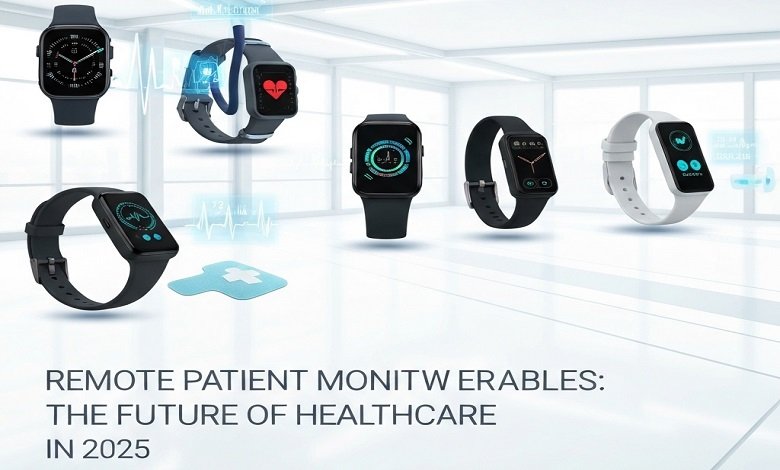
Healthcare is rapidly evolving, and one of the biggest breakthroughs is the rise of Remote Patient Monitoring (RPM) wearables and devices. These tools allow doctors to track patient health in real time—without requiring frequent hospital visits. From smartwatches measuring heart rates to advanced biosensors tracking chronic conditions, RPM is becoming the backbone of digital health in 2025.
In this blog, we’ll explore the importance of RPM, compare popular devices, review the benefits and challenges, and suggest subscriptions and products you can try.
🌍 Why Remote Patient Monitoring Matters
The global shift toward telehealth has accelerated the demand for at-home monitoring solutions.
- Accessibility 🌐 – Patients in rural or underserved areas can stay connected to doctors.
- Preventive Care ❤️ – Detects problems before they become emergencies.
- Chronic Condition Management 🩸 – Essential for diabetes, hypertension, heart disease, etc.
- Cost-Effective 💰 – Reduces hospital visits and long-term care costs.
👉 In short, RPM isn’t just about convenience—it’s about saving lives while saving costs.
⌚ Popular Remote Patient Monitoring Wearables
Several wearable devices are leading the way in RPM. Here are the standouts:
- Apple Watch Series 9 ⌚ – Features advanced heart monitoring, ECG, and blood oxygen tracking.
- Fitbit Sense 2 🏃♂️ – Focused on heart health, stress management, and sleep tracking.
- Withings ScanWatch 🫀 – Clinically validated ECG, SpO2, and long battery life.
- Omron HeartGuide ⌛ – A blood pressure monitoring wearable designed like a smartwatch.
- Dexcom G7 Continuous Glucose Monitor (CGM) 🍬 – Game-changer for diabetes patients with real-time glucose tracking.
📊 Comparison: Wearables vs. Medical-Grade RPM Devices
- Wearables (Apple Watch, Fitbit, Withings):
- User-friendly, stylish, multipurpose.
- Great for everyday health tracking.
- Limited medical validation compared to clinical devices.
- Medical-Grade RPM Devices (Dexcom, Omron, BioIntelliSense BioSticker):
- Clinically validated, highly accurate.
- Designed for patients with chronic conditions.
- Usually requires doctor integration or subscription.
👉 Verdict: If you’re health-conscious and tech-savvy, consumer wearables are enough. For chronic conditions, medical-grade RPM devices are the gold standard.
🌟 Key Benefits of RPM Devices
- Early Detection 🧠 – Spotting arrhythmias, abnormal glucose levels, or sleep apnea early.
- Personalized Care 🧑⚕️ – Data-driven treatment plans tailored to each patient.
- Peace of Mind 💡 – Families can stay updated on loved ones’ health remotely.
- Integration 📲 – Syncs with apps and telehealth platforms for seamless care.
⚠️ Challenges & Considerations
- Privacy Concerns 🔒 – Continuous data collection raises security questions.
- Cost 💳 – Medical-grade devices and subscriptions can be expensive.
- Adoption Curve 📚 – Elderly patients may need training and support.
Still, most users find the benefits far outweigh the drawbacks.
📦 Subscriptions & Services for RPM
Many RPM devices come with subscription-based services for real-time tracking and doctor integration:
- Dexcom G7 Subscription 🍬 – Provides continuous glucose monitoring with app integration.
- BioIntelliSense BioSticker Service 📉 – Tracks vital signs for chronic patients, with physician dashboards.
- AliveCor KardiaCare ❤️ – Subscription that stores and shares ECG results with doctors.
- Fitbit Premium 💪 – Offers deeper insights, health coaching, and reports.
- Apple Fitness+ + Health Integration 📲 – Pairs with Apple Watch for overall wellness tracking.
👉 These services make monitoring not just accurate, but also actionable.
🛍️ Where to Buy RPM Devices
- Apple & Fitbit Stores – For consumer-grade wearables.
- Withings Official Website – Clinically validated hybrid smartwatches.
- Dexcom Online & Pharmacies – Subscription-based glucose monitors.
- Omron Healthcare Store – FDA-approved RPM devices.
- Amazon Health Devices Section – Easy shopping for both wearables and medical-grade tools.
🏆 Final Review: Should You Invest in RPM Wearables?
✔ Pros: Real-time health monitoring, improved patient-doctor connection, prevention-focused care.
❌ Cons: Subscription costs, privacy risks, learning curve for older adults.
👉 Final Word: Remote Patient Monitoring devices are not just a trend—they’re the future of healthcare. Whether you choose an Apple Watch for fitness or a Dexcom CGM for diabetes, RPM provides an extra layer of security and convenience.
In 2025, investing in an RPM wearable means taking charge of your health proactively—anytime, anywhere.
✨ Pro Tip: Start with a Fitbit Premium or Apple Watch subscription, then upgrade to medical-grade RPM if you have a chronic condition. That way, you get the best of both worlds: lifestyle tracking + clinical accuracy.