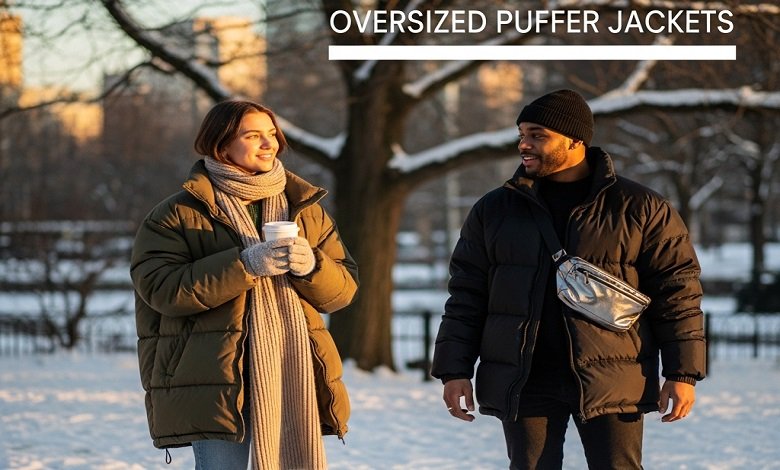
Once seen as purely practical winter gear, puffer jackets have evolved into a full-blown fashion phenomenon. In 2025, the oversized puffer reigns supreme — and this time, it’s not just about looking good or staying warm. It’s about saving the planet while doing it.
The rise of oversized puffer jackets made from sustainable or recycled fabrics marks a powerful shift in the fashion industry — blending comfort, style, and conscious living into one cozy masterpiece.
🌿 The Rise of Sustainable Outerwear
As consumers grow more eco-aware, brands are rethinking how they design and produce outerwear. Traditional puffers often used virgin polyester and animal-based down, which raised environmental and ethical concerns.
The new wave of oversized puffers, however, features:
- Recycled polyester shells made from plastic bottles ♻️
- Vegan or plant-based fills replacing goose down
- Water-repellent coatings that are PFC-free (no harmful chemicals)
These innovations create jackets that are warm, durable, and guilt-free — proving fashion and sustainability can go hand in hand.
💡 What Makes an Oversized Puffer So Popular?
The oversized puffer is more than just a winter staple — it’s a comfort-first statement piece. Wide silhouettes, dropped shoulders, and voluminous padding create a look that’s bold yet effortless.
It’s gender-neutral, versatile, and designed for layering — perfect for today’s minimalist and streetwear-inspired aesthetic. Whether you’re heading to the mountains or the metro, an oversized puffer adds that “I didn’t try, but I still look cool” vibe.
And now, with eco-conscious fabrics, it’s also the jacket that lets you feel as good as you look.
⚖️ Sustainable vs. Conventional Puffers
Here’s where the new generation of puffers truly stands out.
- 🌍 Sustainable Puffers: Made from recycled nylon, regenerated polyester, or organic cotton shells with cruelty-free insulation.
- 🧊 Traditional Puffers: Typically use new synthetics or animal down, which contribute to waste and carbon emissions.
While both keep you warm, eco puffers reduce your carbon footprint by up to 30% — and that’s a style win for both you and the planet.
🧶 Trending Materials in 2025
♻️ Recycled Polyester (rPET)
Derived from discarded plastic bottles, it gives waste a second life. Soft, strong, and durable — without compromising comfort.
🌱 Re:Down® or Primaloft Bio™ Fill
Eco-alternatives to traditional goose down. They’re warm, lightweight, and fully recyclable.
🌬️ Organic Cotton Blends
Used for outer shells to add a natural, breathable touch — perfect for transitional weather.
These fabrics define 2025’s sustainable streetwear aesthetic — where high performance meets high ethics.
👗 Styling the Oversized Puffer
🖤 Urban Street Style
Pair a black or olive-green puffer with cargo pants and chunky sneakers. Add a beanie and minimal accessories for that off-duty model look.
🤍 Minimalist Chic
Go for a neutral-toned oversized puffer with wide-leg trousers and sleek boots. Perfect for a city coffee run or a quick airport look.
🧥 Layer It Right
Throw your puffer over a hoodie or knitwear for extra volume and texture — the 2025 winter trend is all about intentional layering.
🏷️ Brands Leading the Sustainable Puffer Movement
- Patagonia — pioneers in recycled outerwear using NetPlus® nylon (made from discarded fishing nets).
- The North Face — their ThermoBall Eco range uses 100% post-consumer recycled materials.
- Everlane ReNew Collection — fashion-forward puffers crafted from discarded plastic bottles.
- Pangaia — known for bio-based insulation and plant dyes.
- Arket — minimalist Scandinavian designs made with recycled down and traceable fibers.
These brands are setting the tone for eco-luxury, proving sustainability can be stylish.
💰 Pricing & Value
Sustainable oversized puffers generally range between $120–$350, depending on materials and brand. While that’s slightly higher than fast-fashion alternatives, you’re investing in quality, ethics, and longevity.
Plus, many brands now offer repair and recycling programs to extend product life. For instance:
- Patagonia’s Worn Wear Program lets you trade in old gear.
- Arket & The North Face offer recycling credits for returns.
- Rent the Runway and Nuuly subscriptions let you rent puffers for the season — reducing waste while refreshing your wardrobe.
🌍 The Bigger Picture — Fashion’s Sustainable Shift
Consumers are demanding transparency, and brands are listening. The oversized sustainable puffer represents the fashion industry’s green evolution — where innovation meets accountability.
Eco-friendly fashion is no longer a niche; it’s a movement. As Gen Z and Millennials drive this shift, expect every major brand to roll out climate-conscious outerwear lines in the coming seasons.
🌟 Final Thoughts — Warmth with a Conscience
✅ Why You’ll Love It:
- Cozy oversized fit, perfect for layering
- Made from recycled and cruelty-free materials
- Long-lasting, weatherproof, and stylish
- Supports sustainable fashion goals
❌ What to Note:
- Slightly higher price point
- Needs proper care to maintain waterproofing
The Oversized Puffer Jacket in Sustainable or Recycled Fabric isn’t just a winter essential — it’s a statement of mindful living. It’s warmth that doesn’t cost the earth, style that doesn’t sacrifice ethics, and comfort that’s built to last.
So this season, skip the fast fashion. Choose the puffer that protects you and the planet. 🌍💚