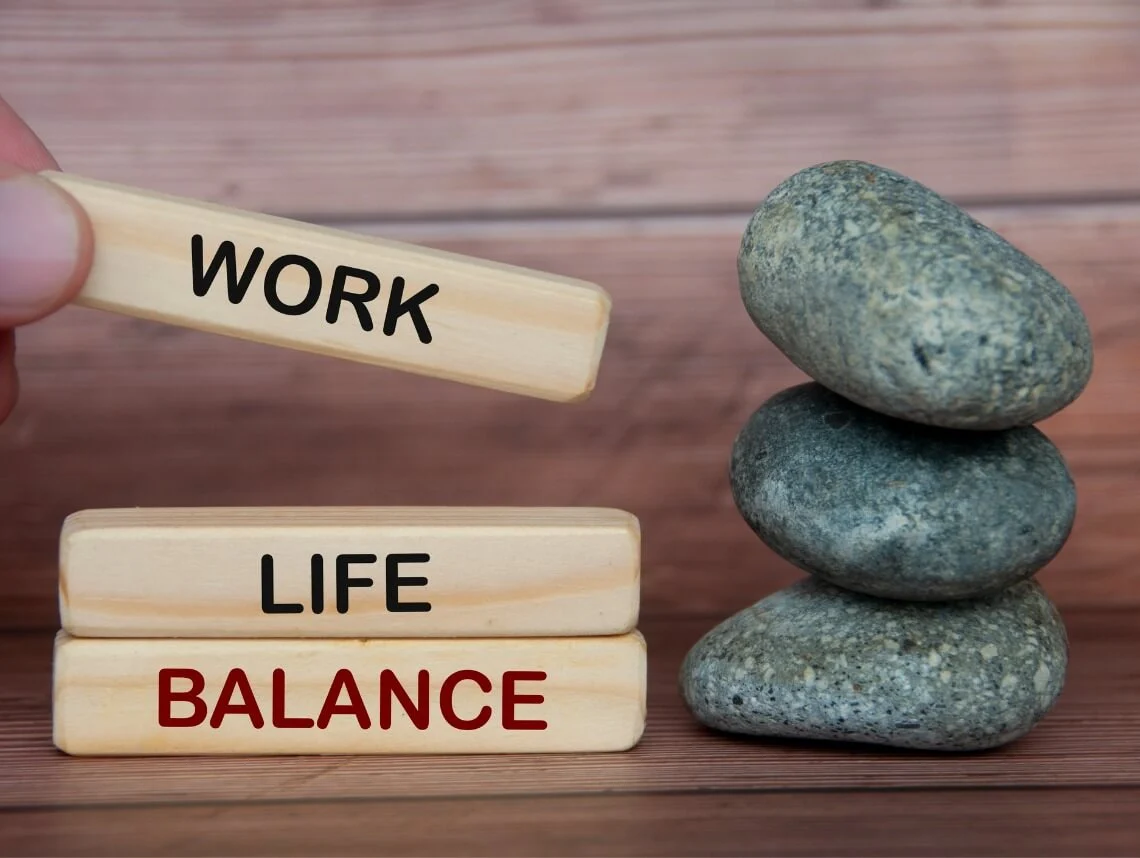
In today’s fast-paced world, achieving work-life balance can often feel like an elusive dream. The demands of work, family, and personal aspirations compete for our attention, leaving little room for rest and rejuvenation. However, finding harmony between our professional and personal lives is not only achievable but also essential for long-term well-being. In this blog, we explore practical strategies to cultivate a balanced lifestyle that nurtures both career growth and personal fulfillment.
Understanding the Importance of Work-Life Balance
Work-life balance isn’t just about dividing time equally between work and personal activities. It’s about creating a sustainable rhythm that prevents burnout while enhancing productivity and satisfaction. Studies show that employees with a healthy balance between work and life are more engaged, motivated, and less prone to stress-related illnesses. Moreover, a well-rounded lifestyle fosters better relationships, improved mental health, and a greater sense of purpose.
The Challenges of Maintaining Balance
Achieving work-life balance comes with its own set of challenges. Common obstacles include:
- Technological Overload: With smartphones and laptops, work often spills into personal time.
- Unrealistic Expectations: Pressure to meet high demands can lead to overworking.
- Blurred Boundaries: Remote work has made it harder to separate professional duties from personal life.
- Lack of Self-Care: Prioritizing work over health and hobbies leads to imbalances.
Strategies for Work-Life Balance
1. Set Clear Boundaries
Establishing boundaries is crucial to maintaining a balanced life. Define your working hours and stick to them. Communicate these limits with colleagues and family to manage expectations. Avoid checking emails or taking work calls outside these hours unless absolutely necessary.
2. Prioritize and Delegate
Identify your top priorities and focus on them. Use tools like to-do lists or productivity apps to stay organized. Delegate tasks when possible to reduce your workload. Remember, saying “no” to non-essential tasks is a valid strategy for protecting your time.
3. Embrace Flexibility
Modern workplaces increasingly offer flexible work arrangements, such as remote work or adjustable hours. Leverage these opportunities to tailor your schedule around personal and professional commitments.
4. Practice Self-Care
Taking care of yourself isn’t indulgent; it’s necessary. Regular exercise, healthy eating, and adequate sleep are non-negotiables for sustained energy and focus. Incorporate mindfulness practices like meditation or yoga to manage stress effectively.
5. Nurture Relationships
Spending quality time with loved ones is essential for emotional well-being. Make it a priority to connect with family and friends regularly. These moments of connection can act as a buffer against work-related stress.
6. Schedule Downtime
Just as you schedule meetings and deadlines, plan time for relaxation and hobbies. Whether it’s reading, gardening, or pursuing a passion project, engaging in activities you love helps recharge your mind and body.
7. Seek Professional Development
Investing in skills and career growth doesn’t have to come at the expense of personal life. Seek out courses or mentorship opportunities that align with your goals and schedule. Learning to work smarter, not harder, can free up time for personal pursuits.
The Role of Employers in Promoting Balance
Employers play a significant role in fostering work-life balance. Organizations that prioritize employee well-being often see increased loyalty and productivity. Initiatives such as flexible work policies, mental health resources, and wellness programs can make a world of difference. Employees, on the other hand, should feel empowered to advocate for such benefits.
Signs You Need to Reassess Your Balance
Sometimes, it’s necessary to step back and evaluate your current lifestyle. Here are some signs that you may need to reassess:
- Constant fatigue or burnout.
- Lack of time for hobbies or relationships.
- Feeling overwhelmed or anxious about work.
- Neglecting health or personal needs.
Conclusion: A Journey, Not a Destination
Work-life balance is a continuous process that evolves with life’s changing demands. By taking small, consistent steps toward prioritizing your well-being, you can build a lifestyle that supports both professional success and personal happiness. Remember, it’s not about perfection but about creating a fulfilling and harmonious existence. So start today—take that first step towards reclaiming balance and enjoying the journey.