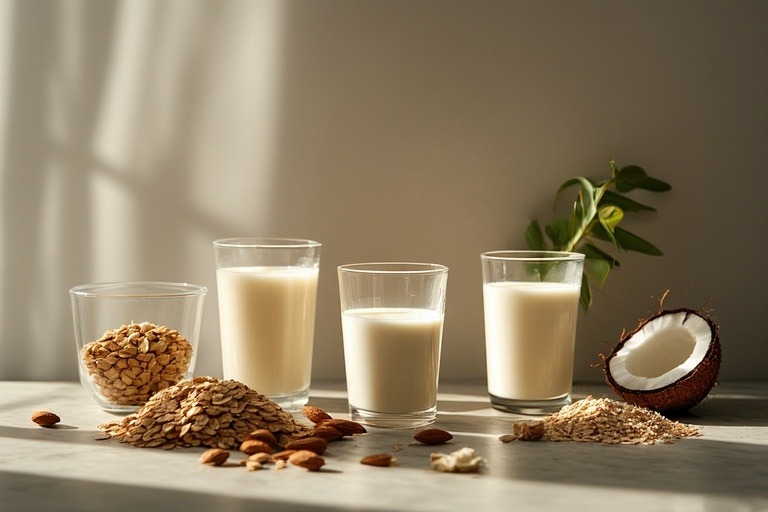
The days when “milk” only meant cow’s milk are long gone. In 2025, supermarket shelves are overflowing with plant-based milk alternatives, from oat and almond to soy, coconut, and even emerging options like pistachio and pea protein milk. What started as a niche vegan choice has now become a mainstream lifestyle trend, with both health-conscious consumers and curious foodies exploring non-dairy options.
But how do these alternatives compare to traditional dairy—and to each other? Let’s take a closer look.
Why Plant-Based Milk? 🌍💚
The popularity of plant-based milk is fueled by three main factors:
- Health & Wellness: Many people want to reduce lactose or saturated fat intake.
- Sustainability: Plant milks generally have a smaller environmental footprint than dairy farming.
- Diversity of Flavors: From creamy oat to nutty almond, the variety is unmatched.
Compared to cow’s milk, plant-based alternatives bring flexibility and innovation, appealing not just to vegans but also to flexitarians and eco-conscious consumers.
Almond Milk 🌰🥛
Almond milk has been a pioneer in the dairy-free revolution. Light, nutty, and versatile, it’s perfect for smoothies, cereals, and coffee.
Review:
- Pros: Low in calories, widely available, mild flavor.
- Cons: Often criticized for high water usage in almond farming.
Compared to dairy, almond milk is lighter and easier on digestion, but less creamy than newer options like oat milk.
Soy Milk 🌱💪
Soy milk has long been the protein powerhouse of plant-based milks. With a texture and nutrition profile closest to dairy, it’s been a staple for decades.
Review:
- Pros: High in protein, affordable, great for baking.
- Cons: Some people dislike its “beany” aftertaste.
In comparison to cow’s milk, soy is the most nutritionally balanced, often fortified with calcium and vitamin D, making it a solid swap for those seeking a dairy replacement.
Oat Milk 🌾☕
In 2025, oat milk reigns supreme as the trendiest alternative. Baristas love it for its creamy texture and ability to foam beautifully for lattes and cappuccinos.
Review:
- Pros: Naturally sweet, eco-friendly (low water use), great for coffee.
- Cons: Higher in carbs than nut-based milks.
Against cow’s milk, oat milk feels just as indulgent but lighter and plant-forward. Compared to almond or soy, it wins on taste and texture, making it the go-to for café culture worldwide.
Coconut Milk 🥥🌴
Coconut milk adds a tropical twist to the non-dairy lineup. Rich, slightly sweet, and aromatic, it’s perfect for curries, smoothies, and desserts.
Review:
- Pros: Creamy, flavorful, versatile in cooking.
- Cons: Lower in protein, can overpower coffee with strong coconut flavor.
Compared to dairy, coconut milk feels more exotic but less “neutral.” It’s a star for recipes but less ideal for everyday cereal or coffee drinkers.
Emerging Alternatives: Pistachio, Pea & Beyond 🌟
The plant-milk industry isn’t stopping at classics. Brands are now experimenting with:
- Pistachio Milk: Rich, nutty, and luxurious.
- Pea Protein Milk: High in protein, eco-friendly, and neutral in flavor.
- Hemp Milk: Omega-rich with a nutty-earthy profile.
These newcomers aim to address gaps—offering more protein, sustainability, or unique taste experiences compared to older plant milks.
Plant-Based vs. Dairy: The Big Debate ⚖️
- Nutrition: Dairy milk wins in natural protein and calcium, but plant milks often come fortified and with fewer calories.
- Taste: Dairy is classic and creamy, but oat and pistachio milks rival it in richness.
- Sustainability: Plant milks generally use less land, water, and energy, though almond farming remains resource-heavy.
For many, the choice isn’t black or white—it’s about mixing both worlds depending on context. Coffee with oat milk, smoothies with almond milk, and baking with dairy remain common hybrid lifestyles.
Trends Driving Plant-Based Milk in 2025 🌿📈
The plant-milk boom is more than health—it’s cultural. Key trends include:
- Coffee Culture: Oat milk dominating cafés.
- Flexitarianism: People swapping milk occasionally, not fully ditching dairy.
- Sustainability Awareness: Eco-conscious buyers choosing pea or oat over almond.
- Flavored Innovation: Vanilla almond, chocolate oat, and matcha-infused coconut milk rising in popularity.
Compared to the dairy-dominated past, plant-based milk is now the trendsetter shaping modern food culture.
Final Thoughts 💭
Plant-based milk alternatives have moved from fringe health food stores to mainstream supermarkets worldwide. From almond’s nutty lightness to oat’s creamy café appeal, each option offers something unique.
Compared to dairy, plant milks are not just substitutes—they’re innovations that reflect modern values: sustainability, inclusivity (for the lactose-intolerant), and culinary creativity.
In 2025, choosing plant-based milk isn’t just about avoiding dairy—it’s about embracing a global lifestyle shift where flavor, health, and the planet all get a seat at the table.