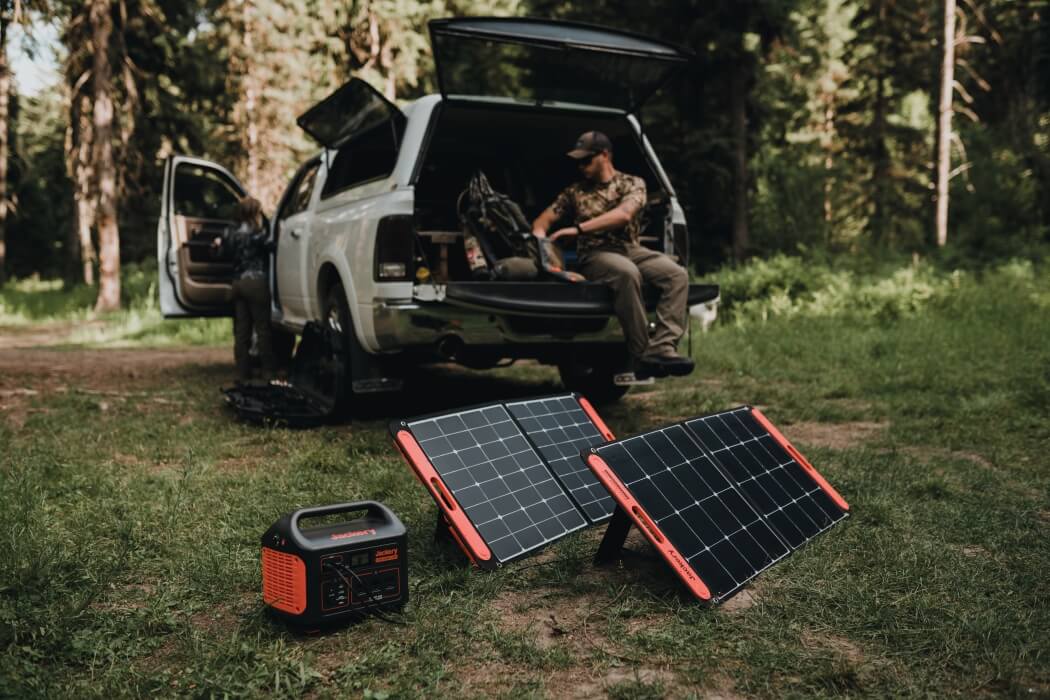
In a world where staying connected is more important than ever, the need for reliable power on-the-go has become a necessity. Whether you’re traveling, hiking, camping, or just out and about, running out of battery on your devices can be a major inconvenience. Enter portable solar chargers: a sustainable and efficient way to keep your gadgets powered no matter where you are. In this blog post, we’ll explore the benefits, features, and considerations of portable solar chargers, and why you should consider making the switch.
What Is a Portable Solar Charger?
A portable solar charger is a compact device that converts sunlight into electrical energy to charge your electronics. These chargers typically consist of solar panels, a battery pack (in many cases), and multiple USB ports for device connections. By harnessing the power of the sun, a portable solar charger allows you to charge your phone, tablet, camera, or even a laptop, without needing access to a wall outlet. It’s an eco-friendly and convenient solution for maintaining power in outdoor and off-grid environments.
The Benefits of Portable Solar Chargers
1. Renewable and Eco-Friendly Energy
One of the biggest benefits of portable solar chargers is that they are powered by renewable solar energy. Unlike traditional chargers that rely on electricity from the grid, solar chargers harness the sun’s power, making them an environmentally friendly option. Using a solar charger reduces your carbon footprint by relying on clean energy rather than fossil fuels, which is essential in today’s climate-conscious world.
2. Perfect for Outdoor Adventures
If you love spending time outdoors—whether it’s hiking, camping, or fishing—having a reliable power source is crucial. Portable solar chargers are designed to be lightweight, durable, and easy to transport, making them an ideal solution for outdoor adventures. With a solar charger in your bag, you can stay connected, charge your GPS device, or keep your camera ready for those breathtaking moments without worrying about running out of power.
3. Emergency Power Backup
Another great advantage of portable solar chargers is their role in providing emergency power during natural disasters or power outages. In times of crisis, when electricity is down, a portable solar charger can be a lifesaver by ensuring that your phone remains charged, allowing you to stay in touch with loved ones or access important information. Many solar chargers come with built-in batteries, so you can store power for later use, which is especially helpful in areas with limited sunlight.
4. Cost Savings Over Time
While portable solar chargers may have a higher initial cost compared to traditional battery packs, they can save you money in the long run. Instead of continually buying disposable batteries or relying on electricity from outlets, you can use free, renewable energy from the sun to charge your devices. Over time, this reduces the need for expensive charging equipment and cuts down on the number of disposable batteries you need to buy.
5. Convenience and Versatility
Portable solar chargers are designed to be compact and easy to use. Many come with multiple USB ports, which allows you to charge multiple devices at once, making them an excellent choice for group trips or when you have several devices that need charging. With many models offering quick charging times, you can power up your phone, camera, or other small electronics with ease. Some even feature foldable panels, allowing you to pack them down to a convenient size when not in use.
Key Features to Look for in a Portable Solar Charger
When selecting a portable solar charger, it’s important to consider several key features that will make a difference in performance and ease of use. Here are some factors to keep in mind:
1. Solar Panel Efficiency
Not all solar panels are created equal. The efficiency of the solar panel determines how much sunlight can be converted into energy. Look for a charger with high-efficiency solar panels, like monocrystalline or polycrystalline panels, which capture more sunlight and charge your devices faster. The higher the efficiency, the less time you’ll need to wait for a full charge.
2. Battery Capacity
Many portable solar chargers include an integrated battery pack to store energy for later use. The capacity of this battery is measured in milliampere-hours (mAh). A larger battery capacity means more power storage, which is essential if you’re using the charger to power multiple devices or require more power for long periods. Aim for a charger with a battery capacity of at least 10,000mAh if you plan on charging smartphones, tablets, or smaller electronics.
3. Durability and Waterproofing
If you plan on using your solar charger in rugged environments, durability is key. Look for models that are designed to withstand harsh conditions, including shocks, dust, and moisture. Many portable solar chargers are made with rugged materials like reinforced plastic or aluminum and are often water-resistant or even waterproof. This makes them ideal for outdoor adventures where weather conditions may vary.
4. Charging Speed
The speed at which your solar charger can charge devices depends on several factors, including the solar panel’s size, the battery capacity, and the amount of sunlight available. While solar charging tends to be slower than traditional charging, some portable solar chargers are equipped with fast-charging technology. Look for chargers that offer both solar and USB charging options, so you can quickly recharge the internal battery with an electrical outlet when available, speeding up the process.
5. Portability
Consider the weight and size of the portable solar charger. While larger solar panels may offer faster charging times, they can also be bulkier. Choose a charger that suits your needs and travel style—whether that’s a compact, foldable design that fits easily into a backpack or a larger, more powerful unit with higher storage capacity for longer trips.
How to Use a Portable Solar Charger
Using a portable solar charger is straightforward:
- Set it in Direct Sunlight: Place your solar charger in an area where it can receive plenty of sunlight. The more direct sunlight it gets, the faster it will charge.
- Connect Your Devices: Once the charger has sufficient sunlight, connect your device via the USB ports. Some chargers allow you to charge multiple devices simultaneously, making them ideal for group trips.
- Monitor Charging Progress: Depending on the charger’s design, there may be an indicator showing how much power has been stored or how much power is being transferred to your devices.
Conclusion: A Smart Investment for Sustainability and Convenience
Portable solar chargers are more than just a cool gadget—they’re an essential tool for anyone who loves outdoor adventures or wants to be prepared for emergencies. With their ability to harness renewable energy, offer emergency power, and reduce dependency on traditional charging methods, they provide a sustainable and convenient solution to staying powered while on the move. By investing in a portable solar charger, you’re not only ensuring you stay connected but also contributing to a more eco-friendly lifestyle. So, next time you head out for your next adventure, don’t forget to bring along a portable solar charger—it could make all the difference!