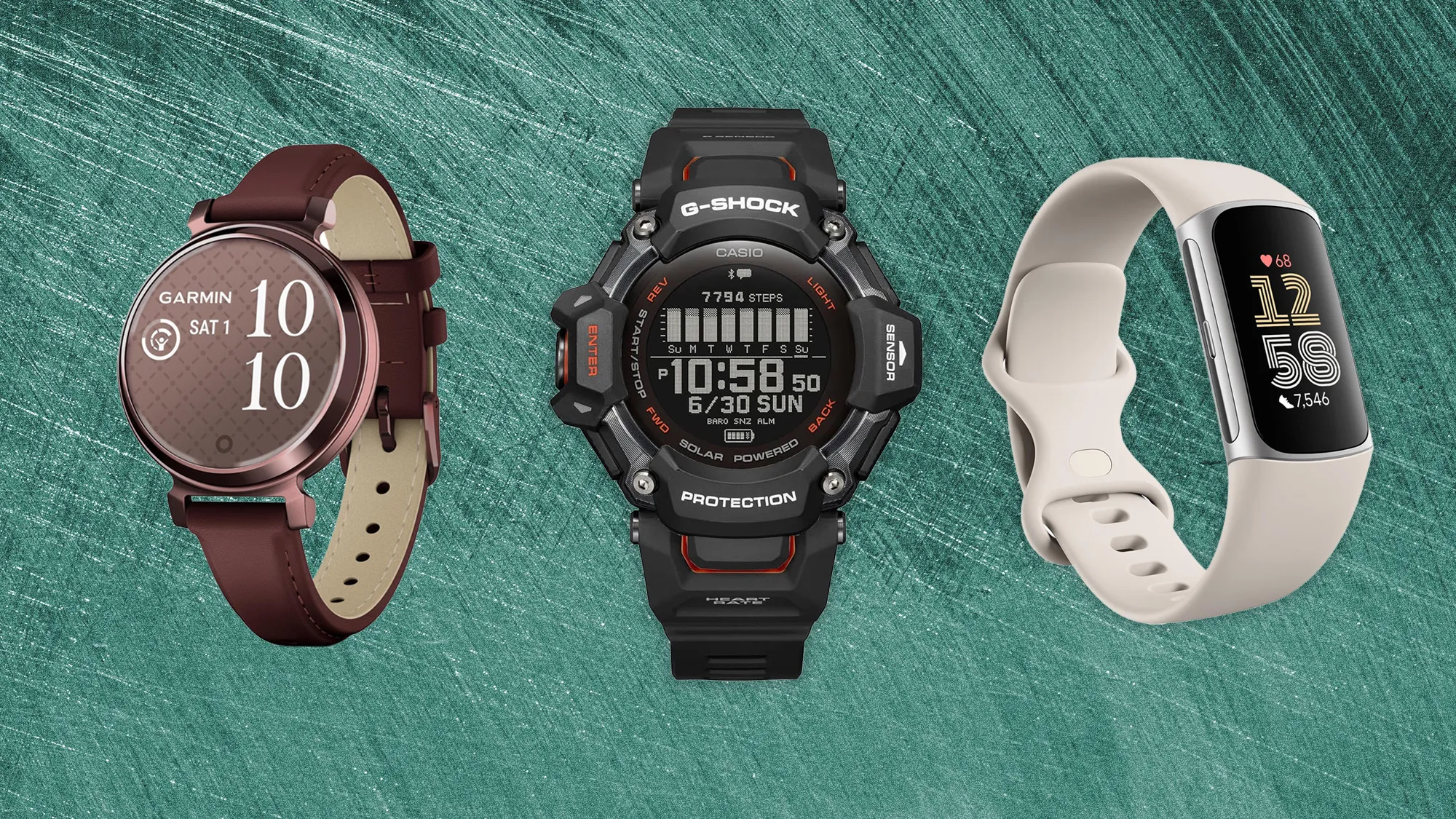
In the fast-paced world we live in, maintaining a healthy lifestyle can sometimes feel like a challenge. However, thanks to advancements in technology, we now have fitness trackers—wearable devices designed to help us track our physical activity, monitor health metrics, and stay motivated throughout the day. Fitness trackers have become an essential tool for anyone looking to improve their fitness levels, manage their health, and set achievable wellness goals. In this blog, we’ll dive into the world of fitness trackers, exploring their features, benefits, and how they can help you lead a healthier, more active life.
What Are Fitness Trackers?
A fitness tracker is a wearable device designed to monitor various aspects of your physical activity and health. These devices typically track metrics such as steps taken, distance traveled, calories burned, heart rate, sleep quality, and more. Most fitness trackers sync with an app on your smartphone, providing you with a comprehensive overview of your daily and long-term progress. Some trackers even offer advanced features such as GPS tracking, blood oxygen level monitoring, and stress tracking.
Whether you’re trying to lose weight, improve endurance, or just become more aware of your daily activity levels, a fitness tracker can be a powerful tool to help you stay on track and motivated.
The Key Benefits of Fitness Trackers
1. Encourages Regular Physical Activity
One of the main reasons fitness trackers have gained popularity is their ability to encourage consistent physical activity. These devices often come with built-in step goals, reminders to move, and activity challenges that keep you motivated throughout the day. Whether you’re aiming for 10,000 steps or a 30-minute workout, a fitness tracker helps you stay focused on your goals. Additionally, many fitness trackers offer virtual badges and rewards for achieving milestones, which further boosts motivation.
2. Monitors Your Heart Rate
Tracking your heart rate during exercise is an important factor for understanding your cardiovascular health. Many modern fitness trackers feature continuous heart rate monitoring, allowing you to check your heart rate at any given moment throughout the day. Monitoring heart rate is essential when exercising to ensure you’re in the right training zone—whether it’s fat-burning, endurance, or peak effort. Some trackers even offer insights into your resting heart rate, which is a key indicator of overall fitness.
3. Improves Sleep Quality
Many fitness trackers are equipped with advanced sleep-tracking technology, which analyzes the quality and quantity of your sleep. These devices can track the different stages of sleep (light, deep, and REM) and provide you with insights into your sleep patterns. Understanding your sleep quality is vital for overall health, as poor sleep can negatively affect physical performance, mental clarity, and emotional well-being. By using a fitness tracker, you can identify any issues with your sleep and work towards improving it.
4. Provides Personalized Insights
Fitness trackers offer personalized feedback based on your unique activity levels and health metrics. For instance, if your tracker notices that you’ve been more sedentary than usual, it may prompt you to get up and move. Additionally, many trackers allow you to set personalized goals, whether it’s for daily steps, calories burned, or active minutes. By offering data-driven insights, these devices help you make more informed decisions about your health and fitness journey.
5. Helps You Stay Consistent
Consistency is key to any successful fitness regimen, and fitness trackers play a huge role in keeping you consistent. With real-time feedback and progress tracking, you’re less likely to forget your workout or neglect your fitness goals. Some trackers even integrate with social media or fitness communities, allowing you to share your progress with friends or engage in friendly competition, which can boost accountability and make fitness more fun.
Key Features to Look for in a Fitness Tracker
When choosing a fitness tracker, it’s important to find one that aligns with your specific fitness goals and lifestyle. Here are some key features to consider:
1. Activity and Fitness Tracking
All fitness trackers will track basic metrics like steps, distance, and calories burned. However, some models offer additional fitness features such as tracking specific exercises (e.g., running, cycling, swimming) and providing real-time feedback on your workout intensity. If you’re into a variety of fitness activities, look for a tracker that offers multi-sport modes and can adapt to your workout preferences.
2. Heart Rate Monitoring
Continuous heart rate monitoring is one of the most beneficial features of modern fitness trackers. By tracking your heart rate during exercise, you can ensure you’re working out in the optimal zone for your fitness goals. This feature is especially important for those focusing on endurance training or trying to improve their cardiovascular health.
3. GPS Functionality
For outdoor enthusiasts or those who like to run, hike, or bike outdoors, GPS functionality is an essential feature. A fitness tracker with built-in GPS can accurately track your route, pace, and distance without needing to carry your phone. This is a great option for those who prefer a more hands-off, phone-free workout experience.
4. Water Resistance
For those who swim or participate in water-based activities, choosing a fitness tracker with water resistance is a must. Many fitness trackers are waterproof or water-resistant, allowing you to track your swimming workouts or wear the device in the rain without worrying about damage. Be sure to check the specific water resistance level (e.g., IP68 rating) to ensure it meets your needs.
5. Battery Life
Battery life can vary greatly depending on the brand and features of the tracker. Some devices can last several days on a single charge, while others may require charging every day or two. If you plan to wear your fitness tracker 24/7 (including during sleep), it’s important to choose one with a long battery life to avoid frequent recharging.
Popular Fitness Trackers to Consider
There are numerous fitness trackers on the market, each offering a unique combination of features. Here are a few popular options:
1. Fitbit Charge 5
The Fitbit Charge 5 is known for its comprehensive fitness and health tracking features, including heart rate monitoring, sleep tracking, built-in GPS, and stress management tools. It’s an all-around great option for anyone serious about improving their health.
2. Garmin Forerunner 245
For runners and athletes, the Garmin Forerunner 245 offers excellent GPS tracking, heart rate monitoring, and advanced running metrics. It’s a great choice for those looking for detailed performance insights.
3. Apple Watch Series 8
The Apple Watch is a versatile smartwatch that also excels as a fitness tracker. It includes a wide range of health and fitness features, including heart rate tracking, sleep monitoring, GPS, and ECG. It’s ideal for iPhone users who want a tracker with seamless integration.
4. WHOOP Strap 4.0
The WHOOP Strap focuses on recovery and performance optimization. It tracks your activity, strain, and sleep, offering insights into your body’s recovery needs and helping you prevent overtraining.
Conclusion: Take Control of Your Health with a Fitness Tracker
Fitness trackers are an excellent way to monitor your health and stay motivated to achieve your fitness goals. Whether you’re looking to increase your daily steps, track your heart rate during exercise, or improve your sleep, a fitness tracker can provide the insights and motivation needed to succeed. By offering personalized feedback, continuous tracking, and real-time data, these devices help you stay consistent and make more informed decisions about your health and wellness. If you haven’t already, it might be time to invest in a fitness tracker and take the first step towards a healthier, more active lifestyle.