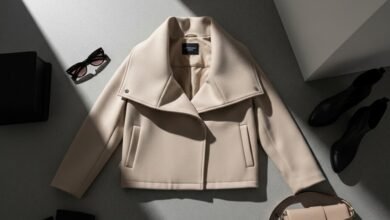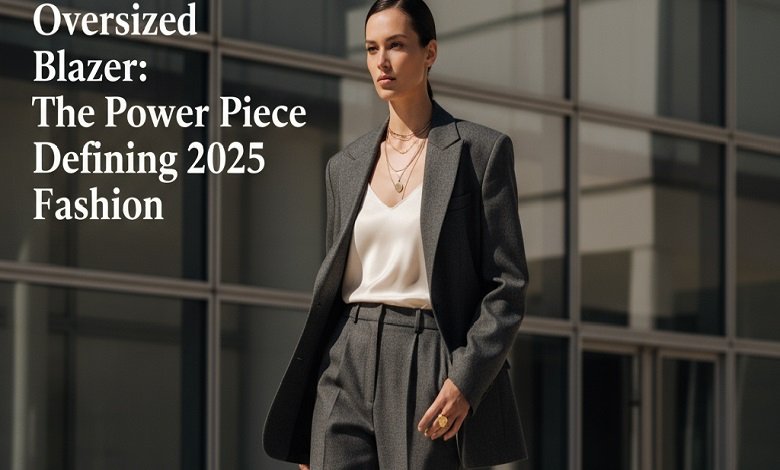
In 2025, one wardrobe piece continues to dominate both street style and runways — the oversized blazer. With its wide shoulders, loose fit, and effortless drape, this classic-meets-modern essential has become the definition of power dressing with a relaxed twist.
Whether it’s a day at the office, a casual coffee date, or a night out — the oversized blazer works everywhere. Let’s explore why this silhouette is trending, how to style it, and which brands are making it a fashion staple.
💡 What Is an Oversized Blazer?
An oversized blazer takes inspiration from men’s tailoring but redefines it for modern, confident style. Think: exaggerated shoulders, longer hemline, and relaxed structure — yet still chic and sharp.
Unlike the fitted blazers of the past, oversized versions bring comfort and edge together. They’re the perfect blend of structure and ease, proving that “baggy” can still look polished.
👗 The Trend That Never Fades
The oversized blazer trend took off in the late 2010s, thanks to icons like Hailey Bieber, Zendaya, and Bella Hadid, and it hasn’t slowed down since.
In 2025, fashion is all about “quiet power” — minimalist silhouettes that speak volumes. The oversized blazer fits this narrative perfectly. It works across genders, styles, and occasions — making it one of the most inclusive and sustainable fashion investments of the decade.
⚖️ Oversized vs. Regular Blazer — The Key Differences
The difference lies in attitude and shape.
- ✨ Regular Blazer: Tailored to perfection, hugging the waist, and ideal for corporate looks.
- 💫 Oversized Blazer: Relaxed shoulders, roomy sleeves, and straight lines — perfect for layering and adding character to any outfit.
While traditional blazers say “boardroom ready,” the oversized version says “effortlessly cool.”
🔍 Fabric & Fit — What Makes a Great One
The magic of a good oversized blazer lies in balance. Too loose, and it can drown your frame; too structured, and it loses that easy charm.
Look for these details:
- Shoulder structure: Wide but clean, not sloppy.
- Length: Hits mid-thigh for a modern silhouette.
- Fabric: Wool blends for winter, linen or cotton for summer.
- Color: Neutrals like beige, black, or gray stay timeless — but don’t fear bold tones like cobalt or pistachio this year!
Brands like Zara, Arket, and H&M Premium Collection are dropping stunning wide-shoulder pieces this season, mixing comfort with class.
🧩 How to Style an Oversized Blazer in 2025
💼 For Work:
Layer a structured oversized blazer over a crisp white shirt and tailored trousers. Add loafers or heeled boots for an elevated yet effortless vibe.
☕ For Casual Days:
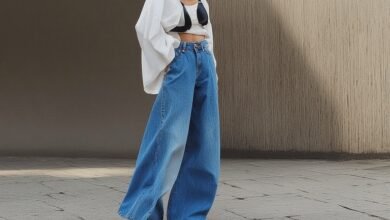
Throw it over a crop top and baggy jeans — a classic off-duty look inspired by the 90s revival. Sneakers or chunky boots finish the outfit perfectly.
🌙 For Evenings:
Pair a sleek black oversized blazer with a satin slip dress or leather shorts. Add statement earrings and heels — and you’re ready for rooftop cocktails.
The oversized blazer is essentially your modern armor — bold, confident, and endlessly versatile.
🌍 Sustainability & Slow Fashion
With the shift toward sustainable wardrobes, investing in a timeless piece like an oversized blazer is smarter than chasing micro-trends.
Opt for brands offering eco-friendly fabrics or rental subscriptions like:
- 🌱 HURR Collective (UK) — rent luxury blazers without the guilt.
- 👠 Nuuly (US) — monthly fashion subscription featuring oversized pieces.
- ♻️ The RealReal — shop preloved designer blazers at a fraction of the price.
Fashion doesn’t have to mean fast; it can mean forever.
💰 Price & Value — Why It’s Worth It
A quality oversized blazer ranges from $70 to $250, depending on brand and fabric. But it’s a long-term investment. One blazer can carry you through multiple seasons and styles — making it one of the most cost-per-wear-friendly pieces you’ll ever own.
If you’re into premium tailoring, explore Everlane’s Oversized Blazer or Frankie Shop’s Bea Blazer, both trending on fashion TikTok and loved by influencers worldwide.
🛒 Where to Buy
You can shop trending oversized blazers at:
- Zara — wide-shoulder, neutral options perfect for layering.
- H&M — affordable everyday versions.
- Frankie Shop — iconic oversized tailoring for fashion lovers.
- ASOS — mix of casual and statement pieces.
For styling inspo, follow the hashtag #OversizedBlazerTrend on Instagram or Pinterest — the go-to style trend of 2025.
🌟 Final Thoughts — Effortless Power Dressing
✅ Why It Works:
- Instantly upgrades any outfit
- Flatters all body types
- Perfect blend of comfort and confidence
- Season-less wardrobe essential
❌ What to Watch For:
- Can overwhelm petite frames if not balanced right
- Needs careful styling to avoid looking too baggy
In short, the oversized blazer is not just clothing — it’s a statement. It’s confidence, creativity, and comfort stitched into one timeless piece.
Whether you buy it, thrift it, or rent it — this wide-shoulder classic is one fashion move that will never go out of style.